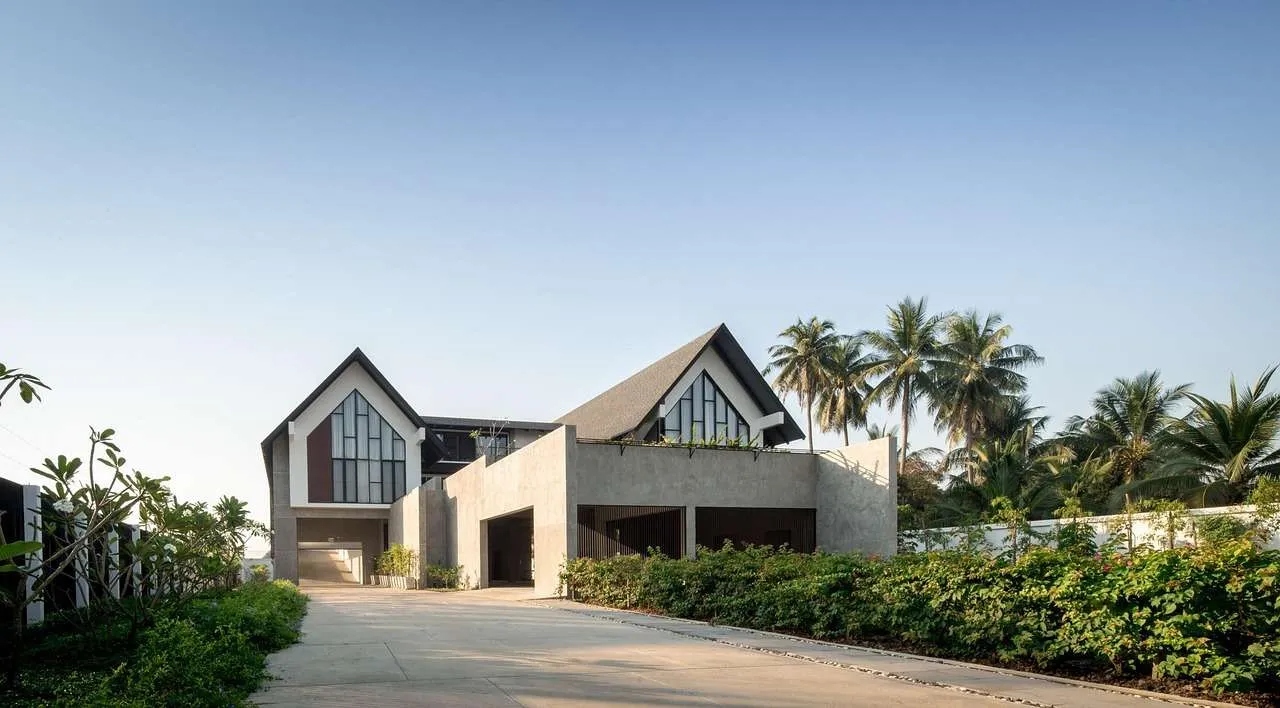
Repair of roofing is a critical part of home maintenance. A small leak or damaged shingles can lead to interior water intrusion, wood rot, and higher energy bills if not addressed promptly. This guide offers practical, evidence based guidance to help homeowners assess needs, choose methods, and work with qualified professionals to ensure durable results.
Why timely repair matters
Roofing systems protect the home from weather, support insulation, and maintain energy efficiency. Delaying repair of roofing issues can allow water to penetrate decking, creating costly damage and compromising safety. Early assessment helps limit material waste and extends the roof life through proper repairs, not bandaid fixes.
Common causes of roof damage
- Aging shingles and granule loss
- Storm impact and hail damage
- Improper installation or flashing failures
- Vent/pipe penetrations and chimney leaks
- Tree limb contact and debris clogging gutters
Signs you may need repair
- Visible curling or missing shingles
- Water stains on ceilings or walls after rain
- Exposed roof deck or daylight through attic
- Icicle buildup and ice dams in winter
- Peeling exterior paint near the roof line
Planning a repair of roofing
Narrowing the scope and planning ahead reduces risk and cost. Start with a thorough visual inspection from ground level, then schedule a professional assessment for inaccessible areas. Gather recent roof history such as prior repairs and warranty documents to inform the repair plan.
DIY vs professional: when to call a pro
- Minor surface fixes and shingle reseating may be doable for skilled DIYers with proper safety gear
- Leaks, structural damage, or complex flashing requires a licensed roofing contractor
- Storm damage or hail often needs a professional for insurance documentation and proper assessment
Safety considerations
- Work from ground level or use a stable ladder with a spotter
- Wear non slip footwear and use fall protection on steep roofs
- Avoid working in wet conditions and never climb on a damaged roof alone
- Turn off electricity if you suspect roof penetrations near electrical fixtures
Costs, materials, and timelines
Repair costs vary by region, roof type, extent of damage, and material choice. Asphalt shingles are typically more affordable than metal or tile. Expect costs to reflect labor intensity, disposal fees, and any necessary deck or flashing replacement. A prompt assessment helps prevent cost escalation and guides realistic timelines for completion.
Cost factors
- Extent of damage and need for decking repair
- Material type and availability
- Complexity of flashing and penetrations
- Access limitations and disposal requirements
- Warranty and insurance processing
Materials and methods
Material choice affects durability and appearance. Common methods include replacing individual shingles, resealing flashing, and in some cases full roof section replacement. When feasible, matching the existing material maintains curb appeal and resale value, while ensuring compatibility with underlayment and vents for proper ventilation.
Choosing a roofing contractor
Expert opinion matters. Look for licensed, insured contractors with a solid local track record, written estimates, and clear warranty terms. Request references and verify permits where required. A credible contractor provides a detailed contract addressing scope, materials, timelines, payment schedule, and post repair guarantees.
Maintenance to prevent future repairs
Regular maintenance extends roof life and reduces the frequency of repair of roofing. Schedule seasonal inspections, clean gutters, trim overhanging branches, and address small issues promptly. Proper attic ventilation, insulation, and ensuring roof penetrations are properly sealed all contribute to long term performance.
Comparison of options
| Factor | DIY | Professional | Notes |
|---|---|---|---|
| Cost | Lower upfront | Higher upfront | Over time may save if leaks are properly addressed |
| Time | Variable | Faster completion | Professional teams coordinate weather windows |
| Safety | Higher risk | Lower risk | Qualified gear and fall protection used by pros |
| Quality and warranty | Uncertain | Factory and workmanship warranties | Protection against future leaks and material defects |
| Documentation | Limited | Detailed estimates and permits | Support for insurance claims and resale |
Conclusion
Conclusion, addressing repair of roofing with a clear plan, professional support, and proactive maintenance protects the home, preserves value, and improves long term reliability. By recognizing signs early, weighing DIY versus professional options, and choosing a reputable contractor, homeowners can achieve durable roof repairs that stand up to weather and time.